
TL;DR — The New Reality of Corporate Training in the UAE
The corporate training in UAE landscape is growing rapidly, but increasing workforce complexity is making training more challenging.
Compliance and corporate governance training are non-negotiable, with strict audit and certification tracking requirements.
Emiratization is now strategic, demanding structured leadership pathways and measurable development for UAE nationals.
Traditional, admin-focused LMS platforms are no longer enough.
Corporate Training in UAE: What Actually Works in 2026
Corporate training in UAE has become a business-critical function — not just an HR activity. Organizations today must ensure compliance, improve workforce performance, and deliver measurable outcomes at scale.
The workforce is larger, more diverse, and more demanding than ever. Regulatory expectations are rising, and Emiratization is now a strategic priority. At the same time, employees expect learning experiences that are relevant, flexible, and easy to access.
Yet many organizations still rely on outdated systems and fragmented processes.
If you're an L&D leader or HR head operating across Dubai, Abu Dhabi, or the wider UAE, this guide explains what actually works — and what doesn’t.

The State of Corporate Training in UAE: Why the Old Approach Isn't Working
The UAE’s corporate training market is valued at USD 1.5 billion and continues to grow steadily. But as investment increases, so does pressure to deliver measurable results.
Completion rates alone are no longer enough. Leadership expects training to impact productivity, retention, and business performance.
At the same time, organizations manage diverse, fast-changing workforces — with continuous onboarding, upskilling, and compliance needs. Without scalable systems, training quickly becomes difficult to manage.
The organizations getting this right treat training as infrastructure — not a one-time activity.
Why Training with an LMS Works Differently in the UAE
A modern training platform built for this complexity doesn't just store and deliver courses. It adapts, automates, and gives you real-time visibility across every learning activity — across every location.
Most traditional training platforms were designed for single-language, office-based environments. In the UAE, that model doesn’t apply.
Organizations must manage:
Multilingual and multicultural workforces
Training across multiple locations
Diverse roles with different learning needs
Frequent regulatory and compliance updates
To support this complexity, modern training platforms must be flexible, mobile-first, and easy to update.
The goal is not just to deliver content — but to ensure training is accessible, scalable, and aligned with real workforce needs.
Calibr’s unified LMS + LXP architecture — with multi-language support, offline mobile access, and same-day AI-powered content deployment — was built specifically for environments like the UAE, where compliance rigor and personalized development must coexist on one platform.
Corporate Governance Training Courses and Compliance: Where Stakes Are Highest
If there's one area where UAE organizations cannot afford to get training wrong, it's compliance. Corporate governance training courses — covering anti-bribery, data protection, workplace ethics, health and safety, and labor law — are legally mandated across many industries and free zones.
The consequences of gaps here aren't just reputational. Failed audits, regulatory fines, and legal liability are real when training records are incomplete, expired, or inconsistent.
Thus, Compliance training is a major priority for all businesses. Learn more by reading our guide on why UAE companies fail compliance audits and how automated tracking helps.
What effective compliance training actually requires:
Mandatory completion enforcement — the system prevents bypassing, not just reports who hasn't finished
Automated certification renewal — reminders before credentials lapse, with triggered re-enrollment
Bilingual content — Arabic and English at minimum, with proper right-to-left formatting
Instant audit trails — complete documentation available on demand, not compiled manually
Role-based assignment — the right training reaches the right people automatically when roles change
Organizations still managing compliance through spreadsheets and manual follow-ups are carrying unnecessary risk. Modern platforms eliminate that overhead entirely — and ensure no one slips through the cracks.
Emiratization and Corporate Leadership Training: Building From Within
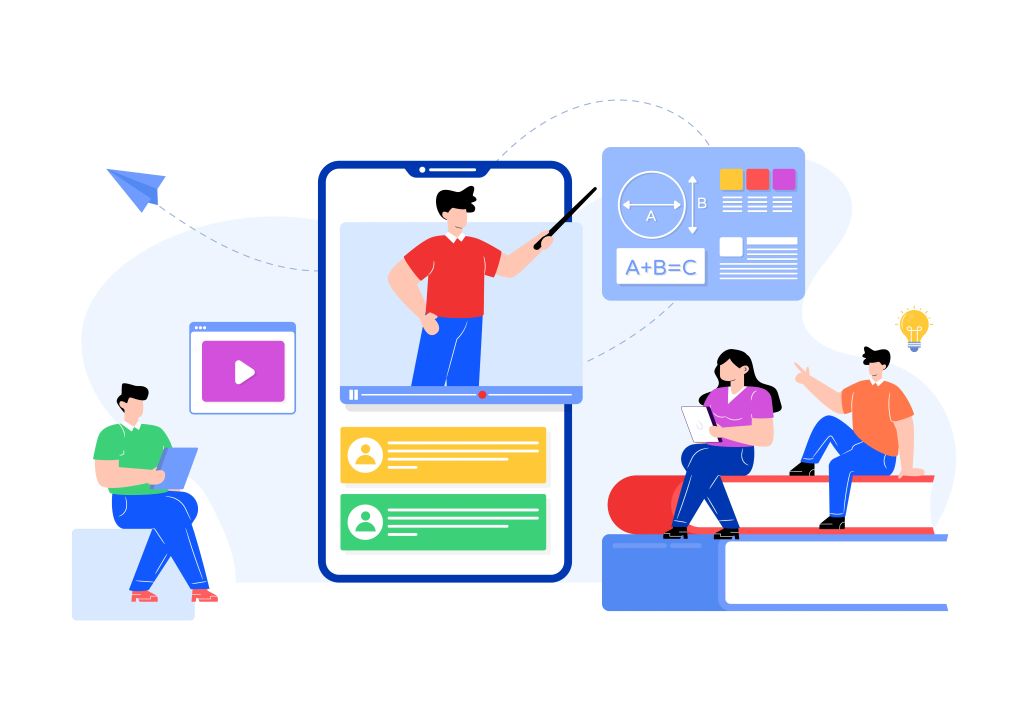
Emiratization is now a strategic priority, requiring structured development and measurable outcomes for UAE nationals.
This is where generic platforms fail most visibly. They can track completion. They can't track readiness.
Effective corporate leadership training for UAE nationals requires dedicated learning pathways — not the same content as everyone else with a nationality filter applied. It means structured mentorship support, skills assessments mapped to leadership competencies, career pathway visibility, and analytics that show genuine progression over time.
HR heads need to demonstrate — to executives and regulators — that Emiratization investment produces results. That means data on skills developed, certifications earned, promotions achieved, and retention rates among national employees who complete development programs versus those who don't.
When this infrastructure exists, Emiratization conversations shift from "are we meeting quotas?" to "are we building the leaders we need?"
Common Mistakes UAE Companies Make in Corporate Training
Despite increased investment, many organizations in the UAE still struggle to see real impact from corporate training. The issue is rarely budget — it’s how training is designed and executed.
Common mistakes include:
Treating the LMS as a content library
Uploading courses without structured pathways, tracking, or engagement leads to passive learning.Ignoring the mobile-first workforce
A large portion of employees are non-desk workers. If training isn’t mobile-friendly or accessible offline, completion drops.Lack of compliance automation
Manual tracking of certifications and renewals increases the risk of missed deadlines and failed audits.No structured Emiratization tracking
Without defined pathways and progress tracking, organizations struggle to demonstrate meaningful development of UAE nationals.One-size-fits-all training
Generic content reduces relevance and engagement across roles and experience levels.Focusing on completion, not outcomes
Completion rates alone don’t reflect impact. Training must connect to performance and business results.
Organizations that succeed design training systems that are structured, measurable, and aligned with both regulatory requirements and business goals.
How Learning Actually Works Today: Beyond Courses
Corporate training in the UAE is no longer limited to assigning courses. It focuses on how employees learn, apply, and share knowledge in real work environments.
Modern learning combines collaboration, real-time application, and flexible formats that fit into daily work.
This is where teamwork training for employees becomes essential — enabling teams to learn together and apply knowledge in context.
In practice, this includes:
Collaborative learning – Teams progress through shared paths and apply concepts in real scenarios
Peer-driven learning – Employees create and share practical knowledge
Social learning – Discussions and feedback turn content into active learning
Cohort-based programs – Groups learn together over time, improving alignment
At the same time, training videos for employees play a key role:
Short-form videos (3–7 minutes) improve understanding and retention
Mobile-first access supports learning anytime, anywhere
Microlearning keeps content quick and easy to consume
The shift is clear: learning is continuous, embedded in daily work, and driven by both individuals and teams.
Organizations that adopt this approach move beyond completion metrics — and drive real behavior change.
Corporate Training in Dubai, Abu Dhabi and broader UAE Environment: Industry Realities
Different industries face distinct training realities across the UAE. What works for a hotel chain in Dubai won’t work for a regulated financial institution in Abu Dhabi.
Hospitality (Dubai)
24/7 operations across diverse teams
Mobile-first, bilingual training is essential
Role-based learning (front desk, F&B, housekeeping)
Consistent compliance across all properties
Financial Services (Abu Dhabi & DIFC)
Strict regulatory environment
Zero tolerance for certification gaps
Strong audit trails and reporting required
Increasing focus on leadership development for UAE nationals
Retail
High turnover and distributed workforce
Quick, mobile-based onboarding
Real-time product updates
High engagement needed to drive completion
Healthcare
Precision-driven training environment
Strict compliance requirements
Continuous professional development
Multilingual teams under time pressure
These industry realities make one thing clear — the effectiveness of corporate training depends heavily on the platform that supports it.
A platform like Calibr adapts to different industry needs.
Calibr is built to flex around your business — not the other way around. From a Dubai hotel chain’s 24/7 service training environment to an Abu Dhabi bank’s strict regulatory certification requirements, the same platform adjusts seamlessly to industry demands.
What Defines the Best Corporate Training Platforms in the UAE
Across hospitality, financial services, healthcare, retail, and manufacturing — the organizations running the most effective corporate training programs in the UAE share a consistent set of platform capabilities:
AI-powered content creation that lets internal L&D teams build professional courses in hours, not weeks. When regulations update or products launch, content can be created and deployed the same day — not the same quarter.
Personalized learning paths that adapt to each employee's role, skill level, prior knowledge, and career trajectory — serving your graduate intake and senior leadership cohort on the same platform with entirely different experiences.
Mobile-first delivery with offline access because a significant share of the UAE workforce isn't desk-based. Retail staff, hospitality teams, field workers — training needs to fit their reality, not a training room.
What Defines the Best Corporate Training Platforms in the UAE
Across industries in the UAE, the most effective platforms share a few core capabilities:
AI-powered content creation and personalization
Mobile-first, multilingual learning
Integrated compliance management
Real-time analytics linked to business outcomes
These capabilities ensure training is scalable, measurable, and aligned with business needs.
Frequently Asked Questions (FAQ's)
Why is corporate training more complex in the UAE compared to other markets?
Because UAE organizations manage multinational, multilingual workforces, strict regulatory requirements, and Emiratization goals — all at the same time. Training must support compliance, leadership development, and mobile accessibility across multiple locations.
What should a modern LMS in the UAE be able to do?
It should handle compliance and development in one system, support Arabic and English (including right-to-left formatting), offer mobile and offline access, integrate with HRIS and SSO, and provide analytics tied to business outcomes — not just completion data.
How important is compliance tracking for UAE organizations?
Extremely important. Industries such as finance, healthcare, and hospitality require mandatory certifications, automated renewals, and instant audit trails. Gaps can lead to fines, failed audits, and reputational risk.
How does corporate training support Emiratization?
Beyond hiring quotas, organizations must show structured development pathways for UAE nationals, leadership readiness tracking, and measurable career progression. The right platform enables dedicated reporting and milestone tracking.
What differentiates leading corporate training platforms today?
The best platforms combine AI-powered content creation, personalized learning paths, mobile-first delivery, collaborative features, and integrated compliance management — all within one unified, cloud-based system.
Choosing the Right Platform for Corporate Training in UAE
If you're evaluating platforms for corporate training, the questions need to reflect regional realities — not generic feature checklists.
Can the platform manage compliance and development in one system?
Does it support Arabic and English content, including right-to-left formatting?
Is it truly mobile-first, with offline access for distributed teams?
Can your L&D team create and update content without depending on external vendors?
Does it integrate smoothly with your HRIS and SSO?
Can it track UAE national development separately to support Emiratization reporting?
Does it enable collaborative, social learning — not just individual course delivery?
And most importantly, does it provide analytics that connect learning to business outcomes, not just completion rates?
The ideal cloud-based learning management system should answer yes across the board — without workarounds, add-ons, or multiple stitched-together tools.
Calibr is built for exactly this reality.
It’s not just an LMS. It’s an AI-powered, unified learning platform designed for modern, fast-moving organizations across the UAE.
In addition, Calibr offers automated compliance tracking, multi-language support, mobile-first learning, real-time analytics, and seamless integrations — making it easy to manage training at scale.
Ready to See It in Action?
Start Your 14-Day Free Trial — Experience Calibr with zero commitment.
Contact Our Team — Get answers tailored to your organization’s needs.
Book a Personalized Demo — See how Calibr fits your UAE training strategy.
The Real Competitive Advantage
In the UAE, organizations that succeed treat training as infrastructure — not administration.
They invest in systems that support workforce diversity, compliance, and continuous development at scale.
The gap between these organizations and others continues to grow.
The question is no longer whether to invest in training — but how effectively it is implemented.


Vivetha is a digital marketing professional specializing in content marketing and SEO. She focuses on developing optimized, high-quality content that improves search visibility, supports brand objectives, and drives measurable results. With a structured and analytical approach, she ensures content aligns with business and audience needs.